Blog
Wildfires and the Real Consequences
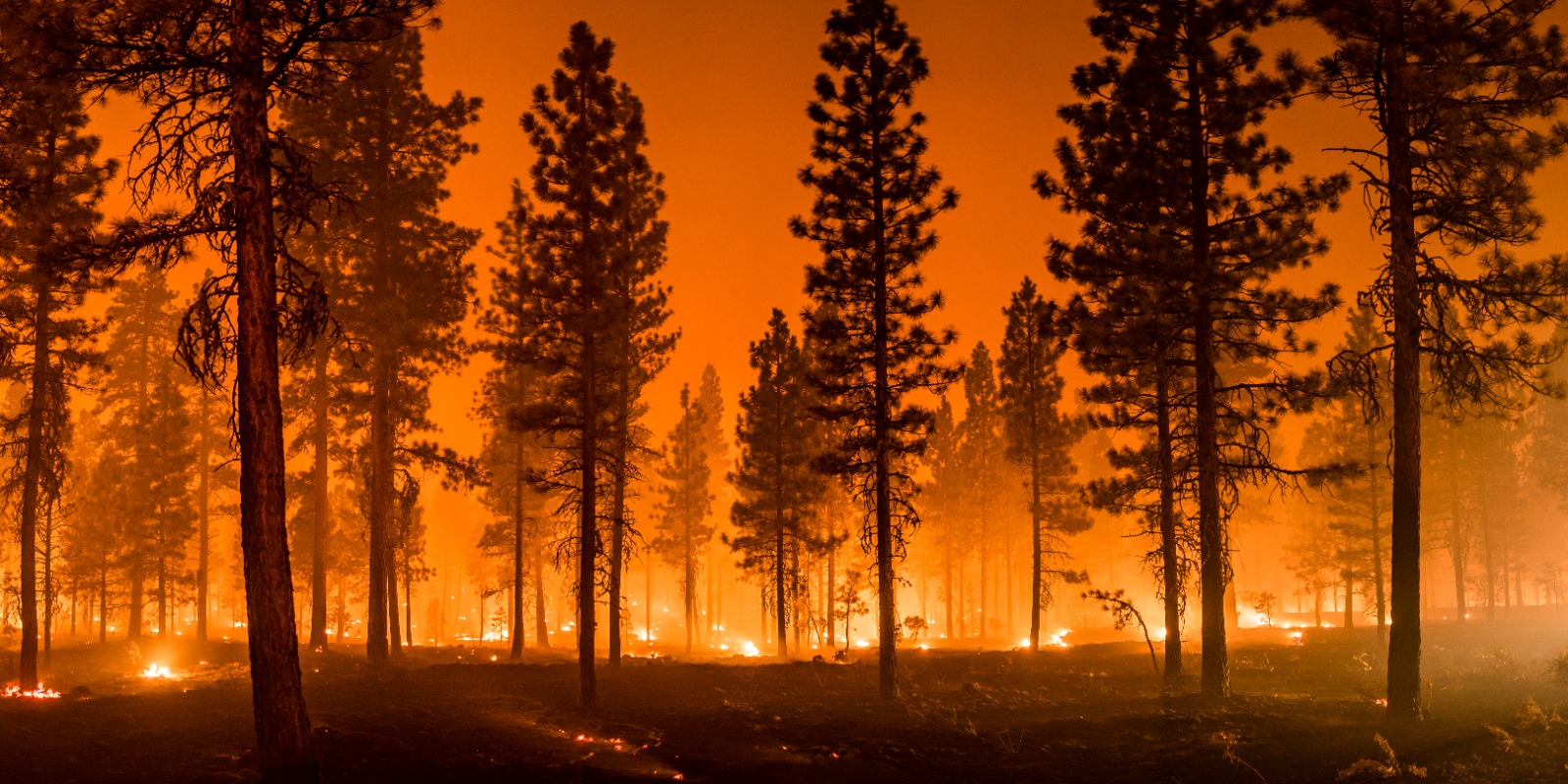
As fires increase with climate change, what do these fires cost us in reality? While this question is always answered as "The loss of tree and the oxygen", could the threat we face actually be greater than this?
The effects of climate change are increasing exponentially due to the warnings about climate change that has been going on for years and the lack of emphasis on the evidence on the world. Wild forest fires in recent years are one of these effects. According to the report published by the Joint Research Center of the European Commission in 2018¹, Turkey's fire regime especially in the last ten years is affected by climate change. Although Turkey's Mediterranean climate and maquis forest structure is a geography where it has been adapted to live with fire for centuries and this structure makes it easy for the forests to renew themselves, it is not so easy to compensate for the losses that grow every year.
Forest fires don't just affect forested areas
Seeing the areas affected by forest fires as only forests may cause the big picture to be overlooked. People depend on the existence of nature for their lives and every being in nature is in harmony with each other. This constitutes the system within the ecosystems that are specific to the geography.
The ecosystem services definition was made by Daily² in 1997, and although the definitions made after that vary, they are variations of the first definition. According to this definition, ecosystem services are the conditions and processes by which ecosystems maintain and enhance the quality of human life. It includes physical and cultural values. Even considering these physical and cultural values in forests shows that the result of forest fires is beyond the burned trees. Although the first loss that comes to mind is the loss of the oxygen resources, trees have many other physical values such as carbon sequestration, their capacity to prevent different natural disasters such as erosion, the suitable environment they create for different species, and the possession of different production resources (beekeeping, mushroom farming). In addition to physical values, it also includes cultural values such as transferring the forest heritage to future generations, and people's recreational use of the area.
In order to understand the real consequences of forest fires, the question should be asked whether ecosystem services can be used or not. Because the use of this method is suitable for revealing more realistic results in order to understand the extent of the natural disaster experienced. Contrary to the old assessment methods that focus on a single value, namely the number of tree loss in the forest area or the measurement of hectares, the magnitude of the loss can be understood more clearly by evaluating ecosystem services. This loss can range from endemic species to other living things in their life cycle and even to cultural values in the region. Understanding the true magnitude of this negative impact will have a motivating effect both in meeting the necessary needs in the current situation and in taking measures for the future.
-
Triollet, R., Mccafferty, E., Alvarez Martinez, A., Bellan, E., Kennedy, P. and Al Khudhairy, D., JRC Annual Report 2018, Publications Office of the European Union, Luxembourg, 2019, ISBN 978-92-76-00655-8, doi:10.2760/197350, JRC115957.
-
Daily, G. C. ed. (1997). Nature's Services: Societal Dependence On Natural Ecosystems. In nature's services: Societal dependence on natural ecosystems. Washington, DC: Island Press.

Büşra Çanakçı
Cofounder