Blog
8 November World Urbanism Day
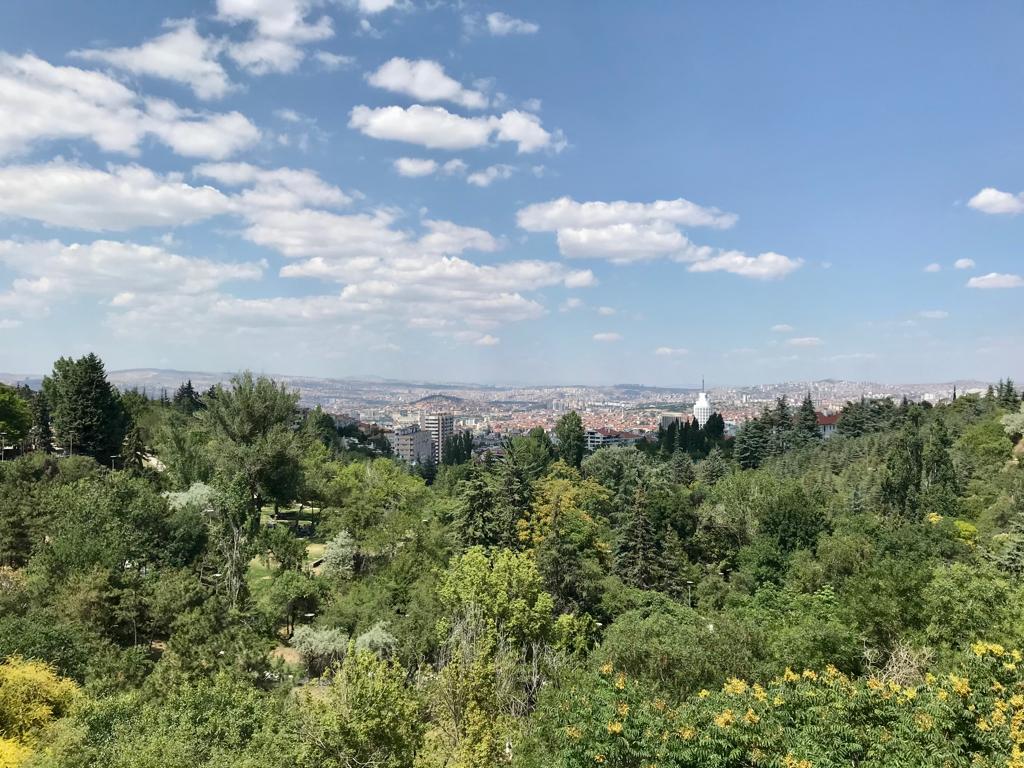
When viewed as a historical process, cities have always hosted planning activities aimed at increasing the quality of life of the citizens, such as meeting our basic needs for shelter, providing social and technical services, improving environmental conditions, and enabling economic development. Nowadays, the process works a little differently for cities where more than half of the world's population lives. Now, cities appear as places where past problems differ and even new problems are added, rather than places where opportunities are offered for us. For example, the need for shelter now comes before us as a need for affordable housing rather than being able to find a place to live. All the decisions we made by ignoring the planning process in the past, appear as problems that need to be solved. All the steps are taken to increase car ownership instead of strengthening the public transportation system and increasing pedestrian and bicycle transportation, return to us in the simplest way as CO2 emissions and the problems it brings.
World Urbanism Day, which has been celebrated on November 8 every year in the world since 1949, brings different concerns on urbanism and urban science. In addition to the disasters such as floods, earthquakes and forest fires that we have experienced in recent years, the melting of glaciers, temperature rises and the climate crisis have made us question whether there will be any cities we can celebrate if they continue like this. It is also in our hands to protect the urban areas where we face the devastating consequences of the aforementioned disasters. It should not be forgotten that cities can cause problems, as well as the address of the solution, and this can also be achieved with planning.
Wishing to live in healthy, livable and sustainable cities that are not just places for consumption, Happy World Urbanism Day!

Elif Aslan
Cofounder